

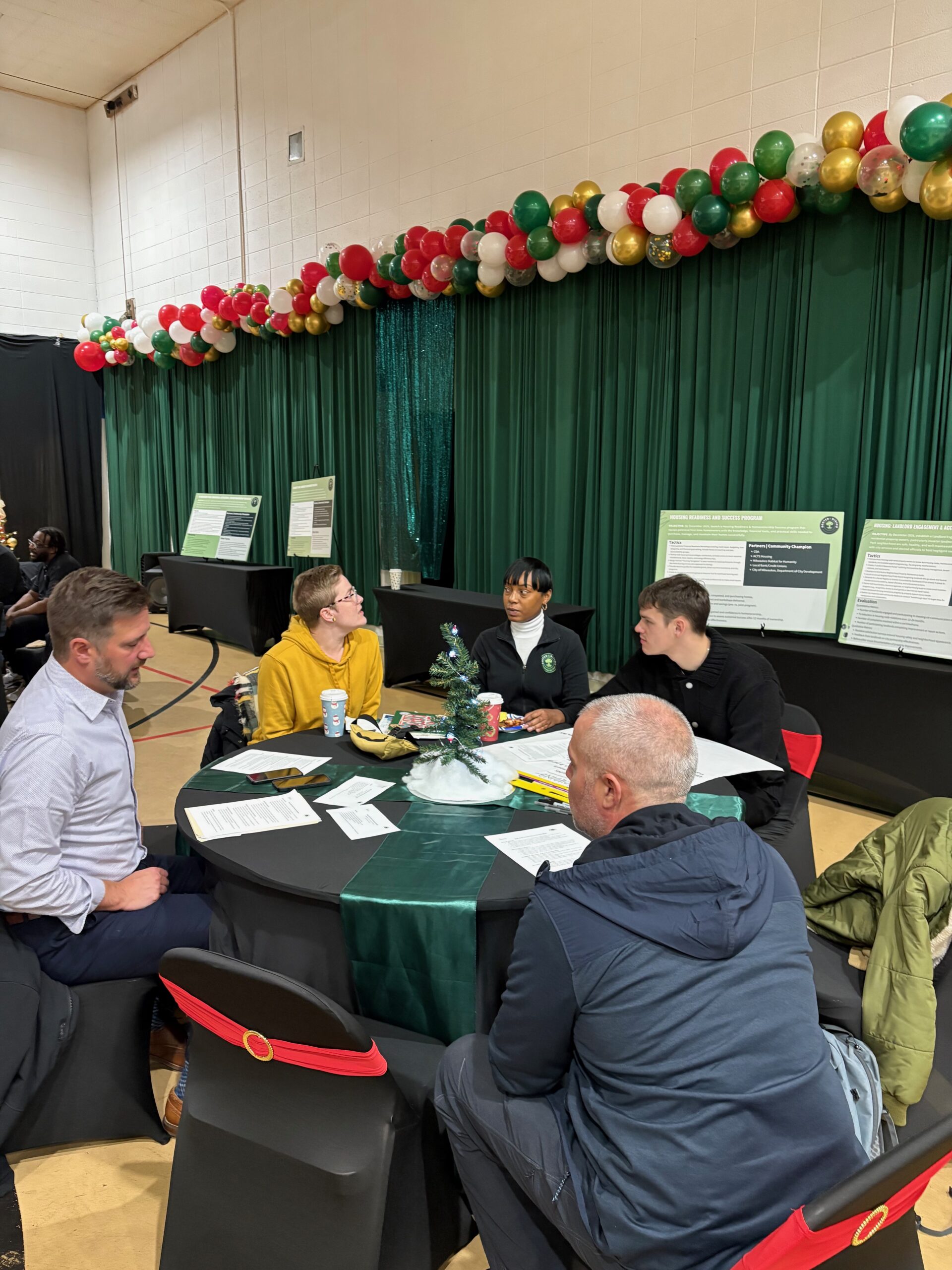
During International Quality of Life Month, we pause to reflect on what quality of life truly means, not just as a concept, but as a leadership responsibility.
Quality of life goes beyond economic indicators, performance metrics, or program outputs. It is about how people experience their lives in their communities, workplaces, schools, and homes.
Quality of Life Is About Access and Belonging
At its core, quality of life includes:
-
Access to opportunity
-
Mental and physical well-being
-
Safe, connected neighborhoods
-
Meaningful work and creative expression
-
Systems that support dignity and stability
True quality of life means people are not just surviving but are supported, seen, and empowered to thrive.
Why Quality of Life Should Guide Leadership
For leaders in nonprofit, community, and cultural spaces, quality of life is often the outcome behind every mission statement. Yet it is not always named or centered in strategic decision-making.
Leadership grounded in quality of life asks different questions:
-
How does this decision affect the people closest to the work?
-
Are we measuring success only by outputs, or by lived experience?
-
Are we creating conditions for long-term sustainability, not just short-term results?
Quality of life is not an abstract idea. It is experienced daily through policies, programs, communications, and leadership choices.
Quality of Life Is Collective
No one’s quality of life exists in isolation. It is shaped by systems, relationships, and environments. Leaders who prioritize collaboration, shared power, and community voice help create ecosystems where people feel supported rather than overlooked.
When quality of life improves:
-
Communities strengthen
-
Trust deepens
-
Engagement increases
-
Impact lasts longer
Reframing Success
As we observe International Quality of Life Month, we encourage leaders to broaden their definition of success. Numbers matter, but stories matter too. Sustainability matters. Belonging matters. Rest matters. Joy matters.
At Athena Communications, we believe storytelling plays a critical role in this shift. When leaders center human experience in their messaging, they help reframe what progress truly looks like.
Because leadership that improves quality of life doesn’t just change outcomes, it changes lives.